
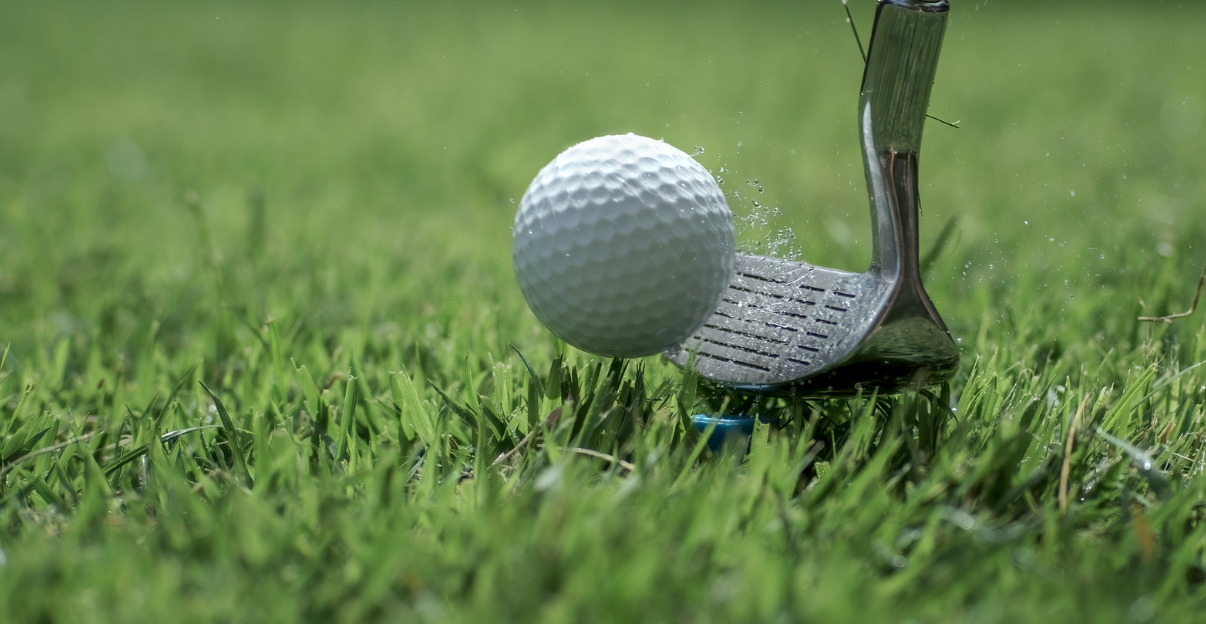
Few things are more frustrating in golf than watching your ball either chunk into the ground or skim thin across the fairway. Fat and thin shots can turn a promising round into a struggle, even when your swing feels good. The good news? These frustrating contact issues usually stem from small, fixable mistakes in setup, posture, or weight transfer.
Learning how to stop hitting fat and thin shots isn’t about rebuilding your swing—it’s about understanding how contact works and making small, smart corrections. Once you know what causes these mishits, you’ll start making clean, crisp contact more often.
Understanding the Difference Between Fat and Thin Shots
Before you can fix the problem, you need to understand what’s actually happening at impact.
A fat shot happens when the club hits the ground before the ball. You take a big divot, lose distance, and the shot feels heavy and dead.
A thin shot, on the other hand, is when the club strikes too high on the ball, usually above the equator. Instead of compressing it, you catch it with the leading edge or bottom of the face. The result? A low, skimming bullet that runs forever but flies nowhere.
Both errors come from the same root cause—inconsistent low point control. In other words, your club isn’t bottoming out at the right spot relative to the ball.
If the bottom of your swing arc happens before the ball, you hit it fat.
If it happens too high or after the ball, you hit it thin.
Mastering low point control is the secret to striking the ball pure every time.
Why You’re Hitting Fat or Thin Shots
Several common swing issues lead to inconsistent contact. Identifying your personal culprit is the first step to fixing it.
1. Poor Weight Transfer
Many golfers hang back on their trail foot through impact, either from trying to lift the ball or from lack of balance. When your weight stays behind the ball, the club bottoms out early—resulting in fat shots. Then, on the next swing, you might overcorrect and pull up early, catching it thin.
Fix: Focus on finishing with your weight on your lead side. At impact, around 70–80% of your weight should be on your front foot.
You can practice this by taking half-swings with your front heel slightly raised, forcing your body to shift weight forward through impact.
2. Ball Position Errors
Ball position plays a massive role in solid contact. If the ball is too far forward, your club reaches the ground before you get to it—fat shot. Too far back, and you’ll hit it on the upswing—thin shot.
Fix: For irons, position the ball in the center of your stance. For hybrids and fairway woods, move it one to two inches forward of center.
The correct position ensures your club makes contact with the ball first, then the ground, compressing it cleanly.
3. Early Release or “Casting”
An early release—often called “casting”—occurs when your wrists unhinge before impact. This throws away lag and causes the club to bottom out early. The result? Chunky, fat shots.
When you try to compensate on the next swing, you might pull up or shorten your arc, leading to thin shots.
Fix: Focus on maintaining wrist hinge longer in your downswing. Feel like you’re pulling the handle of the club toward the ball before letting it release naturally.
A simple drill is the pump drill:
- Swing to the top.
- Drop your hands halfway down without unhinging the wrists.
- Pause, then swing through to impact.
This teaches proper sequencing and helps your hands lead the clubhead.
4. Loss of Posture
Standing up or dipping during your swing changes the club’s impact height. When you lose posture, your body moves away from or closer to the ball—leading to inconsistent contact.
Fix: Maintain your spine angle throughout the swing. Keep your chest over the ball at impact.
A good way to practice this is the chair drill: Stand with your backside touching a chair or wall and make slow swings without losing contact. This keeps your posture stable and prevents lifting through impact.
5. Overactive Hands and Arms
When you try to “help” the ball up with your hands, you interfere with your natural swing path. This often causes thin contact because you flip your wrists through impact instead of letting the club compress the ball naturally.
Fix: Focus on rotating your body through impact, not flicking your wrists. Think of your chest pulling your arms through the shot.
Remember: the club’s loft lifts the ball—your job is to hit down on it.
How to Stop Hitting Fat Shots
Fat shots come from hitting the ground before the ball. Here’s how to correct it with practical, step-by-step techniques.
1. Shift Your Weight Forward
Start by ensuring your downswing moves from the ground up. Your hips and torso should rotate toward the target before your hands and arms.
A good checkpoint is to feel your weight on your front foot at impact and your belt buckle facing the target.
Drill: Place a towel about four inches behind the ball. If you hit the towel, you’re bottoming out too early. The goal is to strike the ball cleanly without touching the towel.
2. Lead with Your Hands
Your hands should be slightly ahead of the clubhead at impact for irons. This ensures ball-first contact.
Drill: Set up an alignment stick along your lead side, just ahead of the ball. Practice hitting without letting the clubhead pass the stick before impact.
This teaches proper shaft lean and promotes crisp, downward strikes.
3. Maintain a Steady Head Position
Moving your head back during the downswing shifts your low point behind the ball, leading to fat shots.
Fix: Keep your head steady or feel like your eyes stay fixed just in front of the ball through impact.
Avoid swaying—rotate instead.
How to Stop Hitting Thin Shots
Thin shots occur when you strike the ball too high on the face or clip it with the leading edge.
1. Stay Down Through Impact
Many golfers instinctively lift their body in an attempt to “see” the shot. When your chest rises, your clubhead lifts too—resulting in thin contact.
Fix: Focus on keeping your chest over the ball and your posture stable until after impact.
A great swing thought is: “Stay with the shot.” Don’t rush to look up.
2. Keep Your Arms Extended
Pulling your arms in at impact shortens your swing radius and makes you hit up on the ball.
Fix: Maintain soft but extended arms through impact. Feel like your lead arm stays straight and connected to your chest as you swing through.
Drill: Place a headcover or towel under your lead armpit and make half swings without letting it fall. This encourages connected movement.
3. Hit Down, Not Up
Trying to scoop the ball into the air is one of the biggest causes of thin shots. The loft of your club will do the lifting if you strike down and through.
Fix: Focus on brushing the turf in front of the ball, not underneath it.
Imagine the ball sitting on the front edge of a dollar bill—your goal is to hit the ball and then take the bill-sized divot.
The Role of Tempo and Rhythm
Many fat and thin shots come from inconsistent rhythm. When your backswing or downswing speeds change dramatically, your timing and low point shift.
Think of tempo like music—every great swing has a beat. The best players in the world, from Tiger Woods to Rory McIlroy, have rhythm. They don’t rush the downswing; they transition smoothly, allowing the club to do the work.
Drill: Count “one” on the backswing, “two” at the top, and “three” through impact. Keeping this consistent rhythm stabilizes your contact.
The Importance of Ball Striking Awareness
Golf is a game of awareness. Most players don’t actually know where they’re striking the clubface. A small change in impact location can mean the difference between a perfect shot and a disaster.
Try this:
Spray the clubface with foot powder or impact spray and hit ten shots. Study where you’re making contact. Are the marks low on the face (thin) or too far toward the toe or heel?
This simple test gives immediate feedback and helps you adjust setup and swing path accordingly.
Course Management and Fat-Thin Control
Sometimes, fat and thin shots come from situations on the course, not your swing. Uneven lies, rough, or hard fairways can change how your club interacts with the turf.
- From uphill lies: Lean into the slope to avoid hitting fat.
- From downhill lies: Play the ball slightly back and keep your weight forward.
- From thick rough: Grip the club firmly and hit down aggressively to avoid the club getting caught.
Adapting your setup to each lie ensures consistent ball-first contact no matter the terrain.
Drills to Build Consistency and Clean Contact
Here are a few effective drills that reinforce correct mechanics and build the muscle memory for consistent strikes.
1. Divot Drill
On the range, place a line on the ground with chalk or a club. Place balls just ahead of the line and try to make your divots start on or slightly past it. This helps train ball-first contact.
2. Impact Bag Drill
Hitting an impact bag teaches you to deliver the club with hands leading and proper compression. Focus on solid, centered strikes.
3. Tee Under Ball Drill
Place a tee just under the back of your golf ball. Try to hit the ball without knocking the tee out of the ground. This prevents scooping and promotes hitting down through the ball.
Building Confidence and Consistency
The key to stopping fat and thin shots is trust. Once you stop trying to “help” the ball up and start trusting your mechanics, your contact will improve dramatically.
Think of each shot as an opportunity to brush the grass after the ball. That simple mental cue keeps your swing natural and focused on solid contact—not on overthinking technique.
Consistency comes from practice, patience, and small corrections—not drastic overhauls.
Conclusion
Learning how to stop hitting fat and thin shots is about controlling your low point, improving weight transfer, and trusting your swing. By maintaining balance, proper ball position, and steady posture, you’ll start striking the ball cleaner and more confidently.
Every golfer experiences mishits—it’s part of the game. But with the right adjustments and a bit of awareness, you can eliminate the chunk and the thin, replacing them with that crisp, powerful strike every golfer loves.
Master your contact, and you’ll master your consistency.
FAQ
1. Why do I keep hitting behind the golf ball?
You’re likely keeping your weight too far back during impact. Focus on shifting weight to your lead side through the downswing.
2. How can I stop topping the golf ball?
Stay down through impact and avoid lifting your chest early. Let the club’s loft do the work.
3. Why do I hit fat and thin shots in the same round?
Inconsistent low point control and overcompensation between swings cause both errors. Work on balance and posture.
4. Should I take a divot with every iron shot?
Yes, a small divot after the ball shows you’re hitting down and compressing properly. Thin contact means you’re not reaching the turf.
5. Can practicing on mats help fix fat shots?
Yes, but grass is better. Mats can mask fat shots, so alternate between both for the most realistic feedback.