
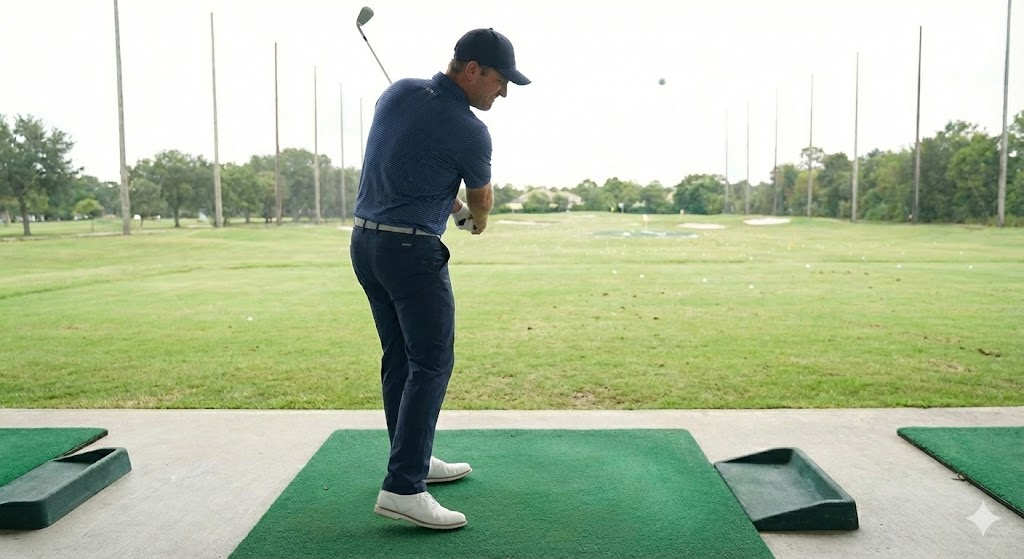
Inconsistent ball striking is one of the most frustrating problems in golf. One shot feels pure. The next one feels heavy or thin. Confidence disappears quickly when contact cannot be trusted.
Many golfers assume the swing is the issue.
Most of the time, it is not.
Inconsistent ball striking usually begins before the club ever moves. Setup flaws quietly create chaos. Balance shifts. Swing bottoms move. Timing breaks down.
The good news is simple. Fixing setup issues often produces immediate improvement. Clean contact returns faster than expected. Consistency follows naturally.
This article reveals the setup secrets ball striking depends on. These fundamentals create stability, predictability, and reliable contact without complicated swing changes.
Why Setup Matters More Than Swing Changes
The golf swing reacts to setup.
Poor setup forces compensation. Good setup allows natural motion.
When alignment, posture, and balance are correct, the swing organizes itself. The club returns to the ball consistently. Impact improves without effort.
Inconsistent ball striking often persists because golfers chase swing fixes while ignoring setup fundamentals.
Setup secrets ball striking relies on remove guesswork. They simplify the game.
Posture: The Foundation of Solid Contact
Posture influences swing bottom location.
Standing too upright raises the swing bottom. Thin shots appear. Excessive bending lowers the bottom. Fat shots follow.
Athletic posture balances stability and freedom. Knees remain soft. Spine tilts slightly forward. Arms hang naturally.
Weight feels centered over the arches of the feet.
Correct posture creates space for rotation. Balance improves. Contact stabilizes.
Among all setup secrets ball striking requires, posture sits at the top.
Ball Position and Strike Consistency
Ball position controls impact.
A ball placed too far forward encourages thin contact. Too far back invites digging.
Short irons work best with the ball just forward of center. Longer clubs move gradually forward. Consistency matters more than perfection.
Many golfers allow ball position to drift unknowingly. That drift creates inconsistent strike patterns.
Checking ball position regularly prevents recurring errors.
This setup secret ball striking thrives on remains simple yet powerful.
Stance Width and Balance Control
Stance width affects stability.
A stance that is too narrow encourages swaying. A stance that is too wide restricts rotation.
Mid irons benefit from shoulder-width stance. Shorter clubs narrow slightly. Longer clubs widen modestly.
Balance feels centered. Weight distribution favors the lead side subtly.
Stable stance supports predictable low point control.
Balance-focused setup secrets ball striking depends on eliminate unnecessary movement.
Grip Pressure and Hand Position
Grip tension influences strike quality.
Excessive tension restricts release. Loose grips reduce control.
Grip pressure should feel secure but relaxed. Wrists remain responsive.
Hand position matters as well. Hands slightly ahead of the ball encourage compression. Excessive forward press creates tension.
Neutral grip position promotes consistent impact.
Grip setup often gets overlooked, yet it directly affects ball striking reliability.
Alignment: Hidden Cause of Inconsistent Contact
Alignment errors disrupt swing path.
Poor alignment forces compensation. Compensations change impact conditions.
Feet, hips, and shoulders should align parallel to target line. Clubface aligns squarely.
Many golfers aim left or right unknowingly. The body adjusts mid-swing. Contact suffers.
Regular alignment checks restore consistency.
Alignment remains one of the most overlooked setup secrets ball striking demands.
Weight Distribution at Address
Weight placement influences swing bottom.
Even weight distribution encourages instability. Excessive weight forward restricts motion.
For iron shots, weight favors the lead side slightly. This encourages downward strike.
Pressure stays balanced through the swing. No lunging or falling back.
Proper weight distribution supports clean compression.
This setup secret alone fixes many fat and thin shots.
Distance from the Ball
Standing too close crowds the swing. Standing too far causes reaching.
Both scenarios disrupt swing plane and contact.
Arms should hang comfortably. Club sole rests naturally on the ground.
Distance consistency builds repeatable motion.
Checking distance during setup prevents creeping errors over time.
Spine Angle and Shoulder Tilt
Spine angle controls rotation.
Losing spine angle during setup creates inconsistency. Excessive tilt limits movement.
Iron shots require minimal shoulder tilt. Driver setups require more.
Keeping spine neutral allows consistent swing bottom.
This subtle setup secret influences ball striking more than most golfers realize.
Eye Position and Head Stability
Eye position affects perception.
Looking too far forward or backward alters strike expectations.
Eyes should sit just behind the ball. Head remains relaxed.
Excessive head movement disrupts contact.
Stable visual focus supports consistency.
Pre-Shot Routine Reinforces Setup Consistency
Routine creates reliability.
A consistent pre-shot routine ensures setup repeats under pressure.
Small checks reinforce posture, alignment, and balance.
Routine reduces variability.
Inconsistent ball striking often appears when routine breaks down.
Why Setup Fixes Work Faster Than Swing Fixes
Setup changes produce immediate results.
Swing changes require time. Setup adjustments work instantly.
Golfers often see improved contact within minutes of correcting setup.
Confidence rises quickly. Trust returns.
That immediate feedback motivates improvement.
Common Setup Mistakes That Cause Poor Ball Striking
Several mistakes appear frequently.
Ball position drift. Poor posture. Excessive grip tension. Alignment neglect.
These errors compound over time.
Regular setup audits prevent regression.
Awareness stops inconsistency early.
How to Practice Setup for Better Ball Striking
Practice setup deliberately.
Use mirrors or alignment sticks. Film setup positions occasionally.
Check fundamentals before every practice session.
Short practice focused on setup builds long-term consistency.
Setup practice often produces greater returns than swing practice.
Equipment and Setup Relationship
Equipment supports setup.
Clubs that are too long alter posture. Incorrect lie angles affect contact.
Proper fitting supports natural setup positions.
Equipment should reinforce fundamentals, not fight them.
Mental Calm Through Reliable Setup
Confidence grows from predictability.
Reliable setup reduces anxiety. Shots feel familiar.
Mental calm improves swing quality.
Setup creates trust before motion begins.
Long-Term Benefits of Strong Setup Habits
Strong setup habits protect ball striking over time.
As swings change slightly, setup anchors consistency.
Setup fundamentals age well.
Consistency lasts longer.
Conclusion: Setup Is the Shortcut to Better Ball Striking
Inconsistent ball striking rarely comes from effort or talent.
It comes from unstable setup.
By mastering posture, alignment, ball position, and balance, contact improves naturally. Confidence returns quickly.
Setup secrets ball striking depends on are simple, repeatable, and powerful.
When setup becomes consistent, ball striking follows.
FAQ
- Can setup alone fix inconsistent ball striking?
Often yes. Many contact issues stem directly from poor setup. - How often should I check my setup?
Before every practice session and periodically during rounds. - Does setup matter more for irons than woods?
Setup matters for all clubs, though specifics vary by club type. - Can poor setup cause both fat and thin shots?
Yes. Incorrect setup often shifts swing bottom unpredictably. - How long does it take to see results from setup fixes?
Many golfers notice improvement immediately.