
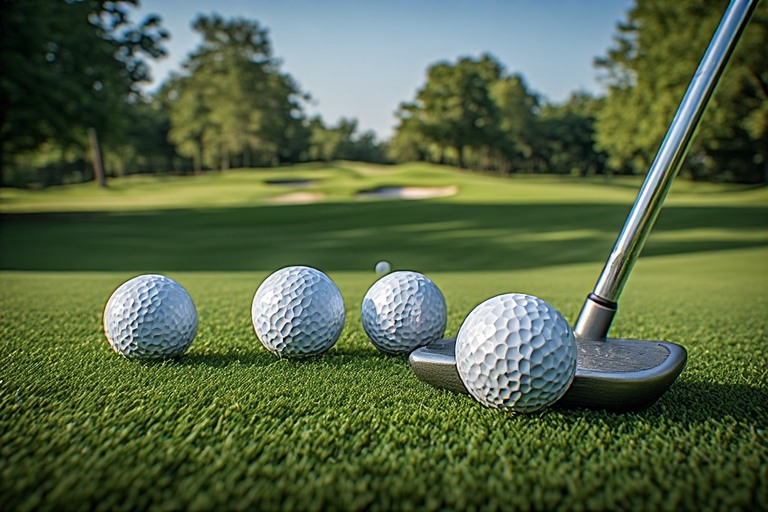
Losing distance can feel personal. One season you are flying your drives past familiar markers. The next, you are watching playing partners pull ahead. You swing harder. You try to muscle the ball. Yet nothing changes.
Here is what many golfers overlook: the shaft is the engine of the club. While the clubhead gets attention, the shaft controls timing, launch, and speed. Choosing the best golf shafts distance golfers truly need can instantly restore yards without changing your swing.
Let’s break down how the right shaft helps you regain lost distance—and how to choose one that fits your game.
Why the Shaft Matters More Than You Think
Most players focus on clubheads. Bigger faces. Adjustable weights. Flashy technology. However, the shaft determines how the clubhead arrives at impact.
Think of the shaft like the transmission in a car. The engine may be powerful, yet without the right transmission, energy never reaches the wheels efficiently.
Similarly, if your shaft is too stiff, too heavy, or poorly matched to your tempo, you lose speed. Ball flight drops. Carry distance shrinks.
The best golf shafts distance improvements come from proper fit, not brute force.
Understanding Shaft Flex and Distance
Flex influences how much the shaft bends during the swing. When matched correctly, it stores energy and releases it at impact. That release adds speed.
If the shaft is too stiff for your swing speed, it will not load properly. Consequently, launch angle lowers and ball flight flattens. Distance disappears.
On the other hand, if the shaft is too flexible, timing becomes inconsistent. Shots may hook or balloon.
Most golfers who have lost distance benefit from moving slightly softer in flex. For example, shifting from stiff to regular can improve launch and carry.
The best golf shafts distance recovery often involve better loading and smoother release.
Shaft Weight and Swing Speed
Weight plays a massive role in distance.
Heavier shafts can feel stable. However, they may slow down swing speed. Even a difference of 10 to 20 grams can change performance significantly.
Lighter shafts allow many golfers to swing faster without extra effort. That increased speed often translates into immediate yardage gains.
However, balance matters. Too light can reduce control. Therefore, test carefully.
For golfers regaining distance, lightweight graphite shafts are frequently ideal. They promote speed while reducing joint strain.
The best golf shafts distance seekers choose often weigh less than traditional models used years ago.
Kick Point and Launch Angle
Kick point refers to where the shaft bends most during the swing.
A low kick point promotes higher launch. A high kick point produces a lower trajectory.
If you are struggling with low ball flight and short carry, a lower kick point shaft may help.
Higher launch, when paired with optimal spin, maximizes carry distance. Especially for moderate swing speeds, launch angle is critical.
Therefore, selecting the best golf shafts distance restoration depends on matching kick point to desired ball flight.
Graphite vs Steel for Distance Gains
Steel shafts are durable and consistent. However, they are heavier. That weight can limit speed, especially as golfers age.
Graphite shafts are lighter and absorb vibration better. They promote faster swings and improved comfort.
Many players who switch from steel to graphite regain noticeable distance immediately.
Additionally, modern graphite technology offers excellent stability. It no longer sacrifices control.
For distance recovery, graphite often leads the conversation.
How Shaft Torque Influences Performance
Torque measures how much a shaft twists during the swing.
Higher torque shafts feel softer and can help players square the clubface more easily. This can improve launch and reduce slices.
Lower torque shafts feel firmer and offer more stability for aggressive swings.
If you are losing distance due to fading shots or weak contact, moderate torque may help produce straighter, stronger ball flights.
The best golf shafts distance players choose balance torque and control carefully.
Driver Shafts for Regaining Lost Distance
Driver shafts offer the most noticeable distance gains.
A properly fitted driver shaft increases launch while reducing excess spin. That combination maximizes carry and roll.
Many golfers benefit from:
- Regular or senior flex for smoother loading
- Lightweight graphite under 60 grams
- Mid to low kick point for higher launch
Testing on a launch monitor reveals key numbers like ball speed, launch angle, and spin rate.
Even a small improvement in ball speed—2 to 3 mph—can add significant yardage.
Iron Shafts and Carry Distance
Iron distance depends heavily on consistent contact and proper launch.
If your iron shots feel heavy and come up short, your shafts may be too stiff or too heavy.
Switching to lighter graphite iron shafts often increases carry and reduces fatigue.
Additionally, proper shaft fit improves strike consistency. Better strikes equal stronger flight.
The best golf shafts distance solutions consider the entire set, not just the driver.
Tempo and Shaft Matching
Your tempo matters.
Golfers with smooth transitions often benefit from softer profiles. Those with aggressive transitions may need slightly firmer shafts to maintain control.
However, many players overestimate how aggressive they are. A smoother-feeling shaft can improve timing dramatically.
When tempo and shaft profile align, energy transfers efficiently. That efficiency creates effortless distance.
The Role of Launch Monitor Data
Guesswork rarely works.
Launch monitors provide measurable feedback. They reveal ball speed, spin, and launch angle.
For distance recovery, focus on:
- Increasing ball speed
- Achieving optimal launch angle
- Reducing excessive spin
Proper shaft selection supports all three.
While fittings may seem technical, the results are practical. More carry. Better dispersion. Greater confidence.
Common Mistakes When Choosing Shafts
First, do not choose shafts based on ego. Playing extra stiff does not increase distance if your swing speed cannot load it.
Second, avoid copying your playing partner’s setup. Fit is personal.
Third, do not ignore feel. Confidence matters. If the shaft feels too heavy or unstable, performance suffers.
Keep decisions simple and data-driven.
Seniors and Distance Recovery Through Shafts
Many senior golfers regain 10 to 20 yards simply by updating shafts.
As swing speed declines naturally, softer flex and lighter weight support better launch and carry.
Additionally, graphite reduces vibration, protecting joints and improving comfort.
Distance loss does not mean decline. Often, it signals that equipment needs adjustment.
The best golf shafts distance solutions evolve with your game.
Budget-Friendly Shaft Upgrades
Upgrading shafts does not always require new clubs.
Many manufacturers offer retrofit options. Professional club fitters can reshaft existing clubs.
While premium shafts cost more, even mid-range graphite options provide significant improvements.
Consider the investment as performance insurance.
Feel, Confidence, and Mental Impact
Distance is physical. However, it is also mental.
When you know your shaft matches your swing, you swing freely. Freedom creates speed.
If you trust that the club will launch the ball properly, tension fades.
That mental relaxation often adds yards without conscious effort.
Testing Strategy for Best Results
When testing shafts:
- Hit multiple shots, not just one
- Compare carry distance, not just total distance
- Notice dispersion patterns
- Pay attention to feel
Because consistency beats occasional bombs, prioritize repeatable distance.
The best golf shafts distance players settle on offer reliable yardage every swing.
Putting It All Together
Regaining lost distance rarely requires rebuilding your swing. Often, it requires matching equipment to your current abilities.
By choosing the correct flex, weight, kick point, and torque, you unlock stored energy in your swing.
Even modest improvements in launch and speed compound into noticeable yardage gains.
Distance is not about forcing speed. It is about efficient transfer of energy.
Conclusion: Unlock Distance the Smart Way
If you have noticed declining yardage, do not assume your best days are behind you. Equipment evolves. Your swing evolves. Your shaft should evolve too.
The best golf shafts distance recovery begins with proper fit. Softer flex, lighter weight, optimized launch, and balanced torque can transform performance immediately.
Instead of swinging harder, swing smarter. Let the right shaft amplify what you already do well. When matched correctly, your clubs become allies again—and those lost yards may not be lost at all.
FAQs
- Can changing my shaft really add distance?
Yes. Properly fitted shafts improve launch, ball speed, and energy transfer, often adding noticeable yardage. - Should I move to a softer flex as I age?
Many golfers benefit from slightly softer flex as swing speed decreases, but testing is essential. - Is graphite better than steel for distance?
Graphite is typically lighter and can increase swing speed, making it ideal for distance recovery. - How do I know if my shaft is too stiff?
Low ball flight, weak fades, and difficulty generating height often signal a shaft that is too stiff. - Do I need a full club fitting to choose the right shaft?
A professional fitting with launch monitor data provides the most accurate results and ensures optimal performance.