
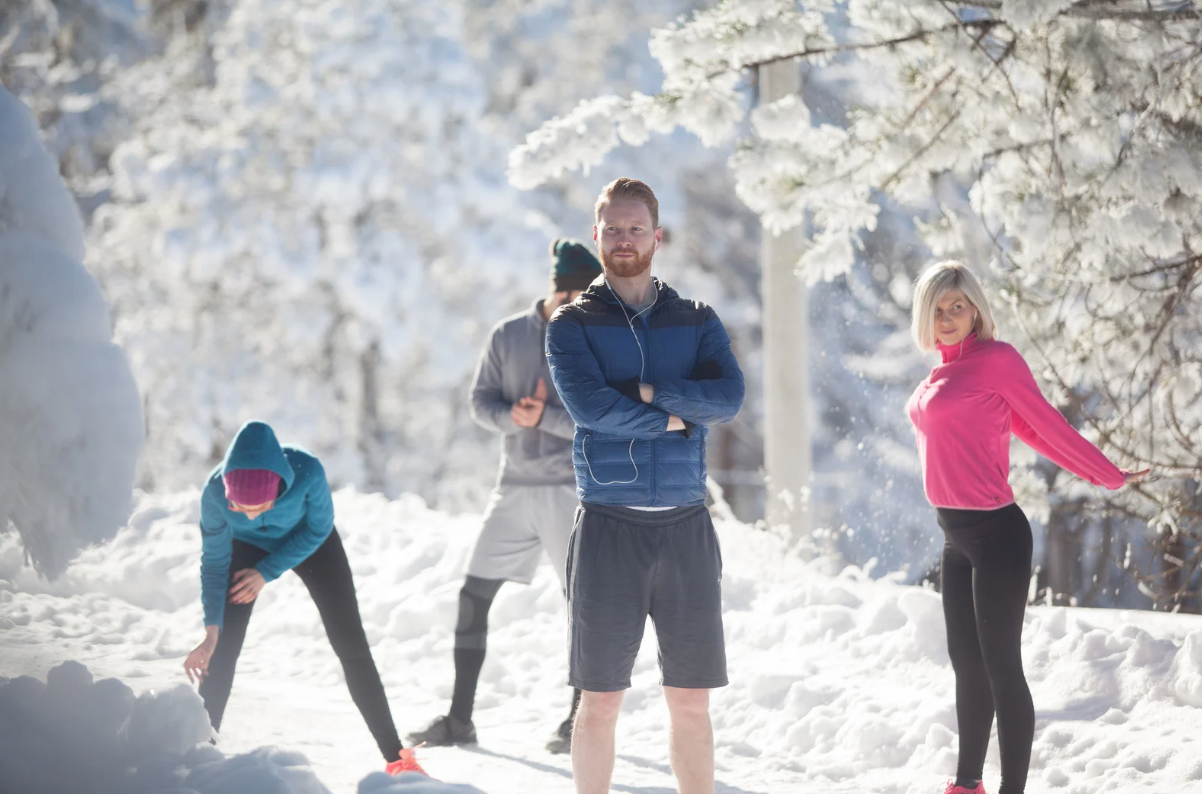
When the snow falls and the fairways turn white, most golfers hang up their clubs and wait for spring. But what if this winter became your secret weapon? What if you could use the offseason to build strength, speed, and flexibility—so when the first tee opens, you’re not just ready to play, you’re driving it farther than ever?
That’s the power of winter golf distance workouts. They keep your muscles engaged, your swing mechanics sharp, and your body primed for distance. Winter isn’t downtime—it’s training time.
In this guide, we’ll break down safe, effective, golf-specific workouts designed for all skill levels—especially for those who want to maintain (and even boost) distance during the cold months.
Why Winter Training Matters for Golfers
The average golfer loses swing speed and flexibility over the winter because they stop moving the way the golf swing demands. When you take several months off, your body loses rotational strength, coordination, and rhythm.
That’s why consistent winter workouts make such a difference. They help you:
- Maintain swing mechanics and muscle memory.
- Build power in your core, legs, and upper body.
- Prevent stiffness and injuries when the season returns.
- Improve balance, flexibility, and endurance.
In short, your winter golf distance workouts are an investment. You’re not just preventing decline—you’re laying the foundation for a more explosive swing next season.
Warm-Up: The Non-Negotiable Step Before Every Workout
Before lifting a weight or doing a stretch, you need to warm up. Golf is a dynamic sport built on rotation, and a proper warm-up prepares your body to move safely and powerfully.
Try this 5-minute dynamic warm-up before every session:
- Torso Twists: Stand with feet shoulder-width apart, arms across your chest. Rotate left and right gently for 20 reps.
- Hip Circles: Loosen up your hips with wide, slow circles—10 in each direction.
- Arm Swings: Swing both arms back and forth to warm up your shoulders.
- Leg Swings: Holding a wall for balance, swing one leg forward and back, then switch sides.
- Marching with Arm Raises: March in place, lifting knees high while raising your arms overhead.
By the end of this warm-up, your heart rate should be up slightly, and your joints should feel fluid. Now you’re ready to train.
Strength Training for Winter Golf Power
If you want more distance, you need more speed. And speed comes from strength. But not just any strength—functional, golf-specific strength that improves rotation, stability, and sequencing.
Focus on compound exercises that build multiple muscle groups at once while simulating golf movement patterns.
1. Squats for Leg Power
Your legs generate most of your swing force. Strong legs mean more stable footing and better weight transfer.
How to do it:
- Stand with feet shoulder-width apart.
- Lower your body by bending your knees and hips, keeping your chest up.
- Push back up through your heels.
Tip: Use a resistance band or dumbbells for added challenge.
2. Deadlifts for Explosiveness
Deadlifts build glutes, hamstrings, and lower back—the powerhouse of your swing.
How to do it:
- Hold a pair of dumbbells in front of your thighs.
- Hinge at the hips while keeping your back straight.
- Lower the weights toward the floor, then drive up through your heels.
Keep the motion controlled and your spine neutral.
3. Push-Ups for Upper-Body Strength
Push-ups strengthen your chest, shoulders, and triceps—all crucial for maintaining posture through the swing.
How to do it:
- Keep your body straight from head to toe.
- Lower your chest to the ground, then push back up.
- For beginners, start with knee push-ups or use a wall.
4. Lunges for Stability
Lunges develop single-leg balance and hip mobility.
How to do it:
- Step forward with one foot.
- Lower your back knee toward the floor without touching it.
- Push off your front heel to return to start.
Alternate legs for 10–12 reps per side.
5. Planks for Core Stability
The plank might look simple, but it’s one of the best core-building exercises for golfers.
How to do it:
- Rest on your forearms and toes.
- Keep your body in a straight line.
- Hold for 30–60 seconds.
Your core connects your upper and lower body, transferring power efficiently through the swing.
Rotational Power Drills to Increase Distance
The golf swing is rotational. You can lift weights all day, but if you don’t train your body to rotate efficiently, you won’t gain meaningful distance.
Here are a few safe, effective rotational drills you can do indoors:
1. Resistance Band Rotations
Attach a resistance band to a stable object. Mimic your golf swing while keeping tension in the band.
Why it works: It strengthens your core and builds rotational speed without stressing your joints.
How to do it:
- Hold the band like a golf club.
- Rotate your torso against the resistance.
- Keep your lower body stable.
Perform 3 sets of 10 reps on each side.
2. Medicine Ball Rotational Throws
If you have access to a wall or open space, this drill develops explosive rotational power.
How to do it:
- Hold a medicine ball at chest height.
- Rotate your body and throw the ball against a wall or to a partner.
- Focus on power and control, not brute force.
3. Cable Woodchoppers
This gym classic perfectly mimics the golf swing.
How to do it:
- Use a cable machine or resistance band.
- Start high and pull diagonally across your body to a low finish.
- Engage your core and rotate smoothly.
Alternate sides for balanced development.
Flexibility and Mobility: The Key to a Free Swing
Even the strongest golfer can’t generate distance if their body feels tight. Mobility allows you to create a wider turn and greater clubhead speed.
These flexibility exercises will keep your swing loose and fluid all winter long.
1. Cat-Cow Stretch
This yoga-inspired move improves spine flexibility.
How to do it:
- Get on your hands and knees.
- Inhale as you arch your back (Cow Pose).
- Exhale as you round your back (Cat Pose).
Do 10 slow reps.
2. Hip Flexor Stretch
Tight hips restrict your rotation. This stretch restores mobility.
How to do it:
- Kneel on one knee, the other foot forward.
- Shift your hips forward until you feel a stretch in your back leg.
- Hold for 30 seconds per side.
3. Shoulder Cross-Body Stretch
Flexible shoulders help you complete a full backswing.
How to do it:
- Bring one arm across your chest.
- Use your other arm to pull it closer gently.
- Hold for 20 seconds per side.
4. Seated Trunk Rotations
A perfect mobility move for golfers who sit a lot during the winter.
How to do it:
- Sit tall in a chair.
- Hold a golf club across your shoulders.
- Rotate gently left and right.
This simple move maintains rotational range of motion and spine mobility.
Speed Training: The Missing Ingredient
Strength gives you the foundation, but speed training turns it into power. You don’t need high-tech equipment to train swing speed—you just need focus and consistency.
1. Overspeed Swings
Use a lighter club or speed stick to train your body to swing faster than normal.
How to do it:
- Take 5 full-speed swings with a light club.
- Rest for 30 seconds.
- Repeat 3 sets.
Over time, your muscles adapt to this faster motion, translating into more clubhead speed when you return to a regular club.
2. Step-Through Swings
This drill improves sequencing and power transfer.
How to do it:
- Start your swing normally.
- As you rotate through, let your trail foot step toward the target.
- Feel your body weight move dynamically through the ball.
This move trains momentum and rhythm—two essentials for effortless distance.
Balance Training for Consistency and Control
Balance may not sound glamorous, but it’s the glue that holds your swing together. Without balance, even the strongest swing falls apart.
Simple Balance Drills to Add to Winter Golf Workouts:
- Single-Leg Stands: Stand on one foot for 30 seconds, then switch. For added difficulty, close your eyes or swing a club lightly.
- Heel-to-Toe Walks: Walk in a straight line, placing one foot directly in front of the other. Improves foot control and posture.
- Bosu Ball Swings: If you have a balance board or Bosu ball, practice short swings while standing on it.
Improved balance means better contact, fewer mishits, and more consistent power.
Putting It All Together: A Sample Winter Golf Workout Plan
Here’s a simple weekly schedule to keep your game sharp through the cold months:
Monday – Strength Training
Squats, lunges, push-ups, planks (3 sets each).
Tuesday – Flexibility and Mobility
Cat-Cow, hip flexor stretch, trunk rotations.
Wednesday – Rest or Light Cardio
Take a walk or cycle indoors.
Thursday – Rotational Power Drills
Resistance band rotations, medicine ball throws.
Friday – Speed and Balance Training
Overspeed swings, single-leg balance drills.
Saturday – Full-Body Session
Combine strength, rotation, and flexibility exercises.
Sunday – Rest or Recovery Stretching
Stay consistent, but avoid overtraining. Rest is where the gains happen.
Nutrition and Recovery Tips for Winter Golf Training
Training hard means nothing without proper recovery. During winter, your body needs fuel and rest to adapt.
- Stay Hydrated: Even in cold weather, dehydration limits performance.
- Eat Protein-Rich Foods: Support muscle repair with lean meats, fish, eggs, and legumes.
- Sleep Well: 7–8 hours per night helps your body rebuild stronger.
- Stretch Daily: Flexibility fades fast without consistency.
- Use Light Cardio: Walking, cycling, or swimming boosts endurance without strain.
Taking care of recovery ensures you stay strong and injury-free all winter.
Conclusion
Winter doesn’t have to be an off-season—it can be your competitive advantage. By committing to structured winter golf distance workouts, you’ll maintain flexibility, build strength, and increase swing speed safely.
When spring arrives, you’ll step onto the first tee not rusty, but revitalized. Every drive will feel smoother, stronger, and more confident.
Train smart, move consistently, and watch your distance—and your confidence—soar when the season returns.
FAQ
1. Can winter workouts really increase my golf distance?
Yes. Regular strength, flexibility, and speed training can help you add 10–20 yards by improving swing efficiency and power.
2. How often should I do winter golf workouts?
Aim for 3–4 times a week, alternating between strength, flexibility, and speed sessions.
3. What equipment do I need for winter golf workouts?
A resistance band, light dumbbells, and a medicine ball are enough to start. Optional: balance board or speed sticks.
4. Can seniors do these exercises safely?
Absolutely. All exercises can be modified for mobility or balance limitations. Start slow and build gradually.
5. How long before I notice results?
With consistency, most golfers notice better flexibility and swing speed within 4–6 weeks.