
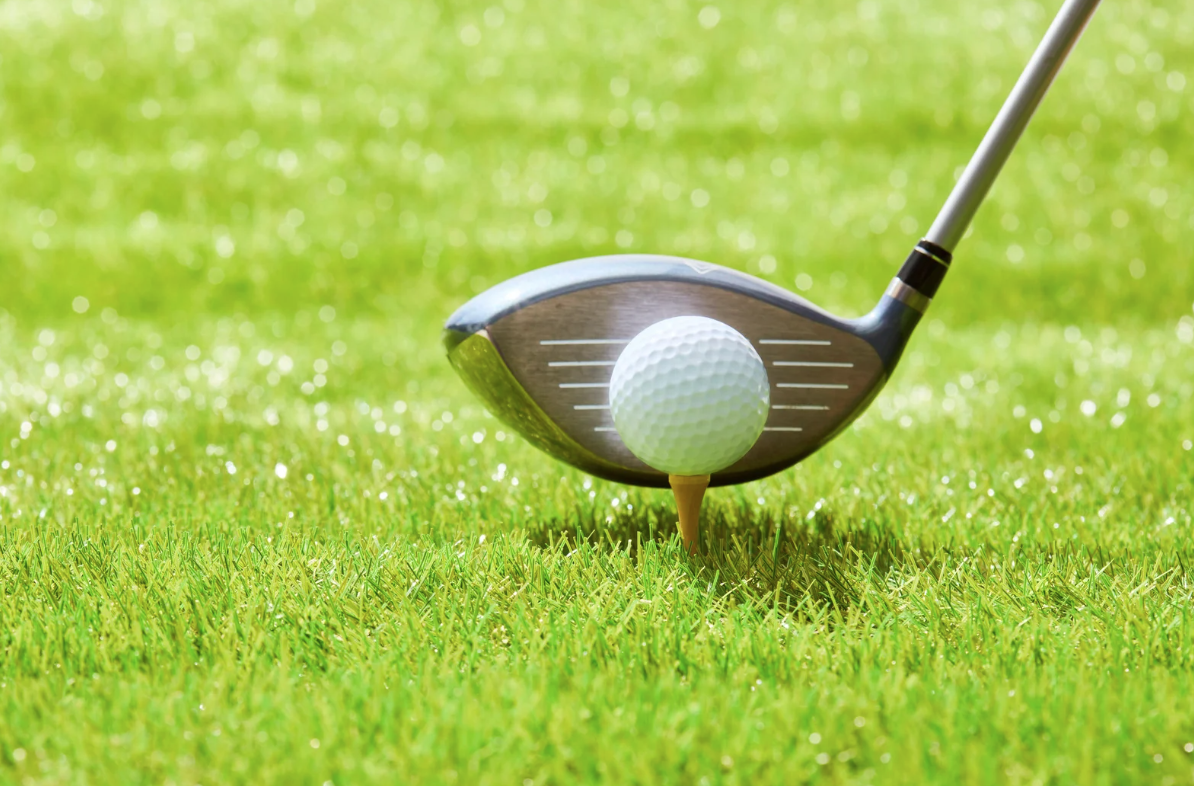
If you’ve ever wondered why your shots feel inconsistent even when your swing seems solid, the problem might not be you—it might be your clubs. Golf is a game of precision, and even the smallest mismatch between your equipment and your swing can cost you both distance and accuracy. That’s where custom club fitting comes in.
Custom club fitting isn’t just for professionals. It’s one of the most impactful upgrades any golfer can make, regardless of handicap or skill level. When your clubs are designed specifically for your swing speed, height, tempo, and natural tendencies, you set yourself up for repeatable contact and better control. In short, custom club fitting improves ball striking consistency—and it can completely change how you experience the game.
The Science Behind Ball Striking Consistency
Before diving into why custom club fitting matters so much, let’s first understand what “ball striking consistency” really means.
Consistent ball striking is about making clean, centered contact shot after shot. When you strike the ball properly, the clubface meets the ball squarely at impact with the right angle of attack. This produces predictable ball flight, consistent spin, and reliable distance.
But here’s the challenge—your swing is unique. Every golfer has different biomechanics, posture, and tempo. Off-the-shelf clubs are built for the “average” player, which means they’re not optimized for you. That mismatch leads to inconsistent impact—fat shots, thin shots, slices, or hooks that seem to appear out of nowhere.
Custom club fitting removes those variables. It aligns your clubs with your natural motion, allowing your swing to repeat effortlessly without compensations.
Why One-Size-Fits-All Clubs Don’t Work
Imagine buying a pair of shoes without knowing your size. Sure, they might fit “okay,” but would they feel right? Would you run your best 5K in them? Probably not.
Off-the-rack golf clubs are no different. They’re made to fit the median golfer, based on height, arm length, and swing speed averages that rarely match any real individual.
Here’s what typically goes wrong with standard clubs:
- Shafts are too stiff or too soft. A mismatch here changes your swing tempo and launch conditions.
- Lie angle is off. If the clubhead sits too upright or too flat, it alters the direction of your shots.
- Club length is wrong. Too long or too short affects posture, contact point, and swing path.
- Grip size doesn’t fit your hands. Incorrect grip size changes how you release the club through impact.
Each of these inconsistencies forces your body to adapt subconsciously. You start compensating without even realizing it—flattening your swing plane, altering your release, or adjusting your stance. That’s when inconsistency creeps in.
Custom fitting eliminates the guessing game by matching every club to your personal specs.
How Custom Club Fitting Works
A professional club fitting session is part science, part art. It’s not about selling you new clubs—it’s about optimizing your current or future set to fit your swing DNA.
During a fitting, you’ll hit shots while a launch monitor records data points such as:
- Clubhead speed
- Ball speed
- Launch angle
- Spin rate
- Swing path and face angle
- Smash factor (efficiency)
The fitter analyzes these metrics to determine which club characteristics help you strike the ball cleanly and consistently. They’ll adjust variables like shaft flex, length, weight, and clubhead design until your launch numbers—and your contact—are optimized.
This isn’t guesswork; it’s precision engineering for your swing. The goal is to create a set of clubs that feels natural, so your swing can flow freely without manipulation.
Key Benefits of Custom Club Fitting for Ball Striking
Custom club fitting offers benefits that directly translate to improved ball striking consistency. Here’s how each element contributes to better performance:
1. Improved Centered Contact
When the club’s length and lie angle match your body and swing plane, you naturally strike the ball closer to the center of the face. That means fewer mishits and more solid contact, even on slight off-days.
2. Consistent Distance Gapping
Ever wonder why your 7-iron and 8-iron seem to go the same distance? Improper loft and shaft design could be the culprit. A fitter ensures proper gapping between clubs, so every shot has predictable yardage.
3. Optimal Launch and Spin
Launch conditions are everything. With the right shaft flex and head design, you can achieve your ideal launch angle and spin rate, maximizing carry and control.
4. Straighter Shots
A correct lie angle keeps your clubface square through impact, reducing hooks and slices. You’ll start seeing your ball flight straighten out simply because your club is no longer fighting your natural swing.
5. Better Feel and Feedback
When a club fits your swing, it just feels right. The weight, balance, and grip size work in harmony, allowing you to focus on rhythm instead of mechanics. This feedback loop builds confidence and trust in your swing.
The Role of Shaft Flex and Weight in Consistency
If you’ve ever felt like you had to swing extra hard to get distance—or that your ball ballooned too high—your shaft might be to blame. Shaft flex and weight are crucial in determining ball flight and feel.
Too stiff: You’ll struggle to load the shaft, leading to low shots and less distance.
Too soft: You’ll lose control, causing higher spins and unpredictable ball flight.
Custom fitting ensures you’re matched with the correct shaft profile based on your swing speed, tempo, and transition. When your shaft loads and unloads correctly, your timing improves automatically. That means more solid contact without extra effort.
Lie Angle: The Hidden Factor Behind Directional Misses
Lie angle is one of the most overlooked aspects of consistency. It determines how the clubhead sits at address and through impact.
If your lie angle is too upright, the toe lifts off the ground, and your shots will tend to go left. If it’s too flat, the heel lifts, and the ball will leak right.
Custom fitters adjust lie angles to match your swing posture and impact position. Once dialed in, your clubface will point exactly where you aim, helping you start the ball on line and keep it there.
How Grip Size Affects Ball Striking
Grip size might seem minor, but it plays a surprisingly big role in your control and release.
- Grips too small: You’ll overuse your hands, leading to hooks and inconsistency.
- Grips too large: You’ll struggle to release the club properly, producing weak fades or pushes.
During fitting, your hand size and grip pressure are measured to select the perfect size and texture. With a properly fitted grip, you’ll swing more naturally and maintain better tempo through impact.
Custom Fitting Builds Confidence—and Confidence Builds Consistency
Golf is as much a mental game as a physical one. When you know your clubs fit you perfectly, doubt disappears. You stop wondering, “Was it me or the club?” and focus entirely on execution.
Confidence breeds rhythm, and rhythm breeds consistency. You swing more freely because you trust your equipment. That freedom often leads to better tempo, better timing, and better results.
The beauty of custom fitting is that it doesn’t change you—it brings out the best in your natural swing. It’s like tuning an instrument until every note sounds crisp and clear.
Who Should Get Custom Fitted?
Many golfers assume club fitting is only for low handicappers or professionals, but the opposite is true. The less consistent your swing, the more you’ll benefit from properly fitted clubs.
Beginners: Get a head start with equipment that helps you build good habits and confidence early on.
Intermediate players: Tighten dispersion and improve distance control as your game develops.
Advanced players: Fine-tune every performance detail for maximum precision and feel.
No matter your skill level, fitted clubs make golf more enjoyable. They reduce fatigue, improve comfort, and make every round more consistent.
How Often Should You Get Re-Fitted?
Your swing evolves over time. As your flexibility, strength, or technique changes, your fitting specs might need adjustment.
Most experts recommend getting re-fitted every 1–2 years or after any major swing change. Even subtle adjustments—like switching shafts or tweaking lofts—can refresh your performance and maintain consistency.
Think of it as a check-up for your golf game. Just as you’d tune up your car to keep it running smoothly, periodic club fittings keep your swing in harmony with your equipment.
The Cost vs. The Benefit
Some golfers hesitate to invest in custom club fitting because they fear the price tag. But the truth is, fitting sessions are often more affordable than you think—and the benefits far outweigh the cost.
A typical fitting might range from $100 to $300, depending on whether you’re fitting a single club or an entire set. But consider what you gain:
- Fewer mishits and penalty strokes
- More greens in regulation
- Improved confidence on every shot
If your golf clubs aren’t fitted, you’re leaving performance on the table. A custom fit ensures every swing works with your equipment, not against it.
The Future of Golf Equipment: Personalization
The golf industry is moving toward complete personalization. Modern launch monitors, AI-driven analysis, and 3D motion capture now make custom fitting more accurate than ever.
Golfers today can test multiple shafts, clubheads, and grip combinations while seeing real-time ball flight data. This level of precision used to be available only to tour pros, but now it’s accessible to everyone.
The future of consistency isn’t about buying the newest club—it’s about owning the right one for you.
Conclusion
Custom club fitting improves ball striking consistency because it eliminates guesswork. When your clubs match your swing, you stop compensating and start swinging freely. The result? More solid contact, straighter shots, and repeatable performance that holds up under pressure.
No two swings are alike, and no two golfers should play identical clubs. If you’re serious about improving your ball striking, investing in custom fitting is the smartest move you can make. It’s not about buying new equipment—it’s about unlocking your true potential with what you already have.
The next time you step on the course, wouldn’t it be nice to know every club in your bag was built for you? That’s what consistency feels like.
FAQ
1. How long does a custom club fitting session take?
A full fitting usually takes 1.5 to 2 hours. It includes analyzing your swing, testing multiple setups, and fine-tuning adjustments.
2. Do I need to buy new clubs after a fitting?
Not necessarily. Many fitters can adjust your current clubs by changing shafts, grips, or lie angles to fit your specs.
3. Can beginners benefit from custom fitting?
Absolutely. Fitted clubs help beginners make solid contact sooner and build better habits early on.
4. How much does custom club fitting cost?
Prices vary, but most fittings cost between $100 and $300. Full set fittings may cost more, but the benefits are lasting.
5. How often should I get re-fitted?
Every one to two years or after major swing changes. Even small adjustments can make a big difference in consistency.