
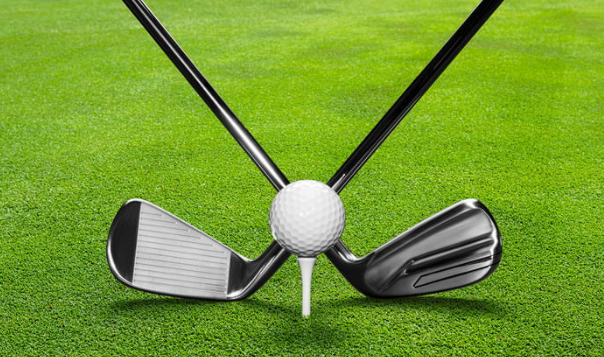
One of the most common frustrations for older golfers is losing distance. Drives that used to fly past hazards now fall short, and long irons no longer carry greens. While age naturally reduces swing speed, equipment can help bridge the gap. One of the most effective upgrades? Lightweight shafts for seniors.
Switching to lighter shafts can increase clubhead speed, improve tempo, and add valuable yards — all without requiring extra strength or strain. In this guide, we’ll explore how lightweight shafts help, what to look for, and how seniors can use them to get more distance back.
Why Distance Declines with Age
As golfers get older, distance loss is almost inevitable. The main reasons are:
- Reduced swing speed: Muscles slow down, reducing clubhead velocity.
- Less flexibility: A tighter body restricts full rotation.
- Fatigue and joint pain: Make it harder to swing aggressively.
- Heavier equipment: Traditional steel shafts add strain, limiting speed.
Lightweight shafts target these issues by making the swing easier and faster.
What Are Lightweight Shafts?
Lightweight shafts are golf shafts that weigh significantly less than traditional steel options. While standard steel shafts weigh around 120 grams or more, lightweight graphite shafts for seniors often weigh 40–70 grams.
This reduction in weight allows golfers to:
- Generate more clubhead speed.
- Reduce strain on wrists, elbows, and shoulders.
- Swing with smoother tempo.
- Maintain energy for all 18 holes.
How Lightweight Shafts Add Distance
The science is simple: faster swings create faster ball speeds. For every extra mile per hour of swing speed, golfers gain approximately 2–3 extra yards of distance.
Lightweight shafts allow seniors to:
- Increase swing speed: Less mass = faster acceleration.
- Launch the ball higher: Promotes carry distance.
- Optimize energy transfer: The shaft flexes and releases efficiently.
For many golfers, this adds 10–20 yards with the driver and several yards with irons.
The Role of Shaft Flex
Weight isn’t the only factor — flex matters too. Senior golfers often benefit from:
- Senior flex (A): Designed for swing speeds between 70–85 mph.
- Regular flex (R): For swing speeds around 85–95 mph.
A lightweight senior-flex shaft combines low weight with increased whip, making it easier to square the face and launch the ball.
Benefits Beyond Distance
Distance is only part of the equation. Lightweight shafts also help with:
- Consistency: Easier to repeat smooth swings.
- Comfort: Reduced vibration protects joints.
- Accuracy: More control from improved tempo.
- Confidence: Added yards and comfort build belief in your game.
For many seniors, this upgrade makes golf feel easier and more enjoyable.
When to Switch to Lightweight Shafts
Signs you may need lighter shafts include:
- Struggling to generate swing speed.
- Fatigue after multiple rounds or range sessions.
- Frequent slices or fades from leaving the face open.
- Playing with steel shafts over 100 grams.
If these sound familiar, a lightweight shaft could make a huge difference.
Graphite vs. Steel for Seniors
- Steel shafts: Heavier, better for control, but harder on joints.
- Graphite shafts: Lighter, softer feel, and designed for more speed.
For seniors, graphite lightweight shafts are almost always the better option. They combine forgiveness with distance.
How Pros Fit Shafts for Seniors
Club fitters consider:
- Swing speed: Measured with a launch monitor.
- Ball flight: Height, spin, and consistency.
- Feel preference: Some golfers like softer, others firmer.
- Club type: Drivers, irons, and hybrids may use different weights.
A fitting ensures your shafts match your swing, maximizing benefits.
Top Lightweight Shafts for Seniors
Some of the best options include:
- UST Mamiya Recoil 450/460 Series – Lightweight graphite designed for smooth tempo.
- Fujikura Vista Pro Senior Flex – Popular driver shaft with excellent launch.
- Project X Catalyst 40g–60g – Lightweight with consistent stability.
- Aldila NV Senior Flex – Known for high launch and added carry.
Pairing the right shaft with forgiving clubheads creates the perfect combination.
Drills to Adjust to Lightweight Shafts
Switching shafts requires adjustment. Try these drills:
- Tempo Drill: Swing at 75% speed to feel shaft loading.
- Impact Bag Drill: Train solid contact with new timing.
- Ball Flight Drill: Track shot patterns to build trust.
Within a few practice sessions, most seniors adapt seamlessly.
Common Mistakes with Lightweight Shafts
- Choosing too light: Can cause loss of control if swing is faster.
- Ignoring flex: Weight and flex must match.
- Not getting fitted: Guessing often leads to poor results.
- Expecting instant miracles: Improvement requires adjustment time.
Avoid these mistakes for the best performance gains.
Real-Life Example: Distance Restored
John, a 68-year-old golfer, lost 25 yards off his driver. After switching from 120g steel shafts to 55g graphite shafts with senior flex, he regained 18 yards instantly. His swing felt smoother, and fatigue disappeared. Equipment alone transformed his game.
Final Thoughts on Lightweight Shafts
Age doesn’t have to mean shorter drives. With lightweight shafts for seniors, you can regain swing speed, add yards, and enjoy more effortless golf. The combination of reduced weight, proper flex, and modern shaft technology delivers performance without strain.
If distance loss is frustrating your game, this could be the simplest upgrade with the biggest results.
FAQ
1. How many yards can lightweight shafts add for seniors?
Typically 10–20 yards with the driver, plus a few yards with irons.
2. Are lightweight shafts less accurate?
Not if properly fitted. They often improve accuracy by improving tempo.
3. Do all seniors need lightweight shafts?
Not always. Faster swingers may still benefit from regular-weight shafts.
4. Should I replace steel shafts with graphite?
Yes, especially if you struggle with speed, fatigue, or joint pain.
5. How do I know if I need a senior flex shaft?
If your swing speed is under 85 mph, a senior flex is usually best.